Vocational School Programme Design and Peer Evaluation Workshop Held
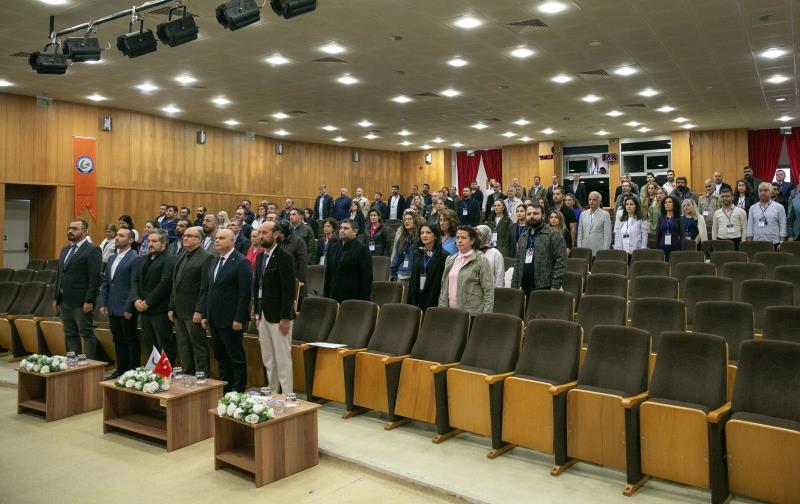
The “Vocational School Programme Design and Peer Evaluation Workshop,” organized by Giresun University’s Coordination Office for Accreditation, Academic Evaluation and Quality with contributions from the Vocational Schools Coordination Office, was held on Thursday, 8 October 2026, at the Şehit Ömer Halisdemir Conference Hall on the Güre Campus.
The workshop was attended by Acting Rector Prof. Dr. Güven ÖZDEM; Vice Rectors Prof. Dr. Emel UZUNOĞLU and Prof. Dr. Hüseyin ŞAHİN; Chief Advisor to the Rector and Coordinator for Accreditation, Academic Evaluation and Quality Prof. Dr. Mustafa ŞANAL; vocational school directors; department and programme heads; academic staff; and external stakeholder representatives.
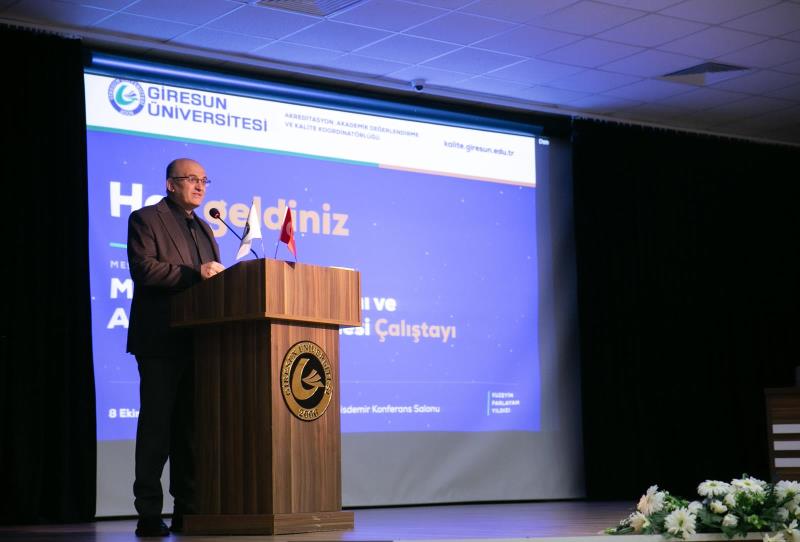
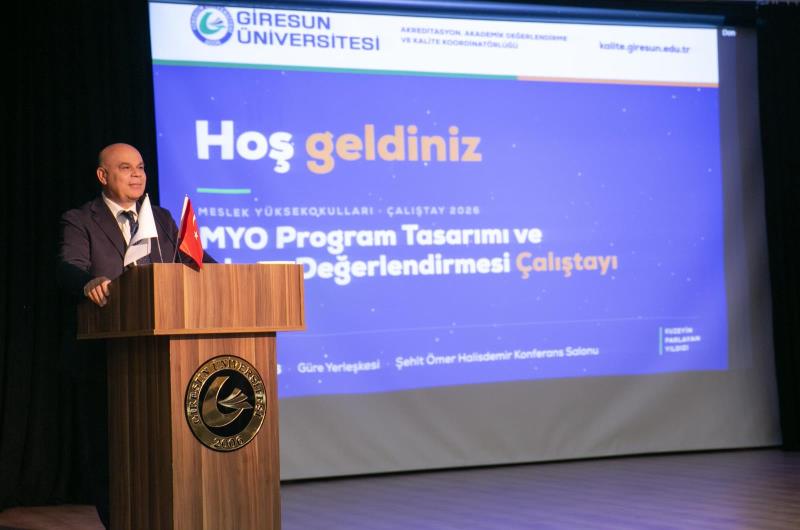
The programme was hosted by Lecturer Şevkiye BABACAN from GRU’s Coordination Office for Accreditation, Academic Evaluation and Quality. Prof. Dr. Mustafa ŞANAL spoke about the importance of vocational schools and the role of accreditation in quality assurance. Acting Rector Prof. Dr. Güven ÖZDEM reviewed preparations for KAP and the contribution of vocational schools to the process, and thanked everyone involved.
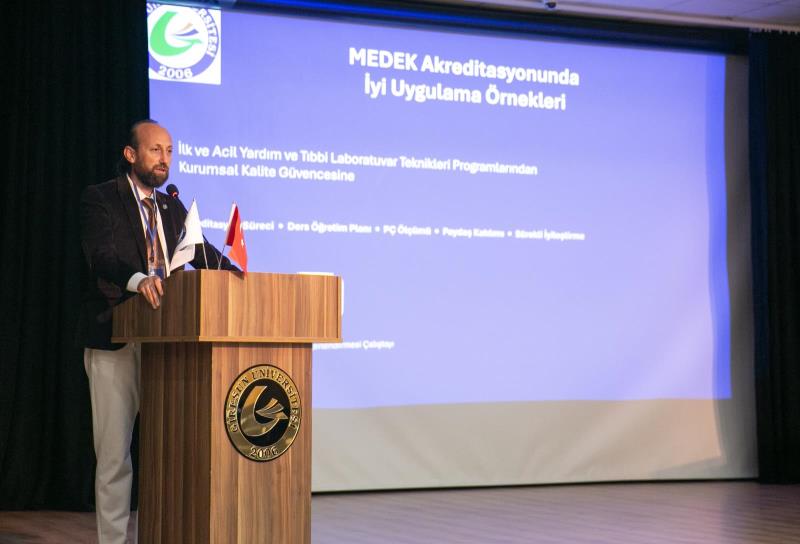
While the importance of quality assurance and accreditation processes was discussed, Prof. Dr. Aytaç GÜDER, Coordinator of Vocational Schools and Director of the Vocational School of Health Services, shared the experiences of the First Aid and Emergency Care and Medical Laboratory Techniques programmes in a presentation entitled “Good Practice Examples in MEDEK Accreditation.” Lecturer Osman Serdal KARAPINAR, a member of the Coordination Office for Accreditation, Academic Evaluation and Quality, presented his assessments of programme improvement processes.
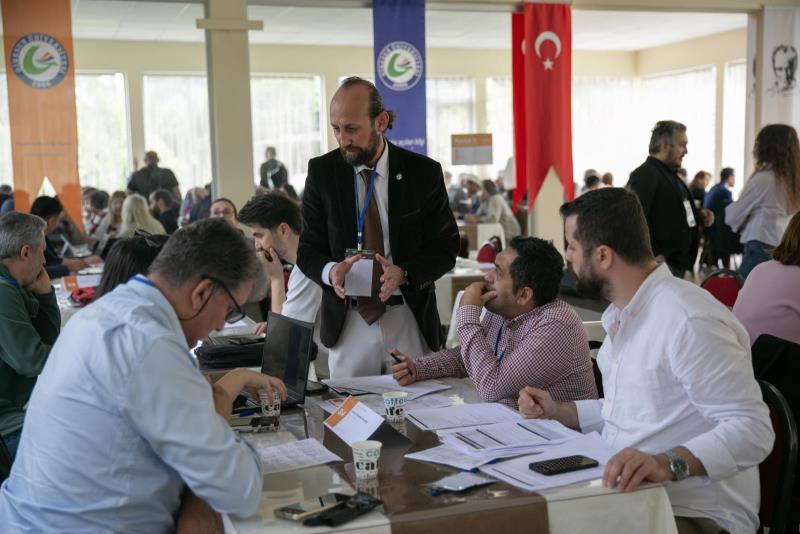
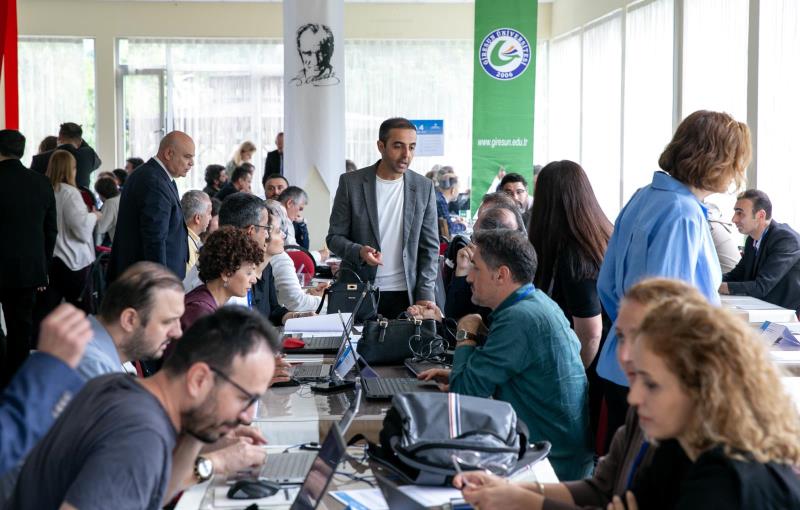
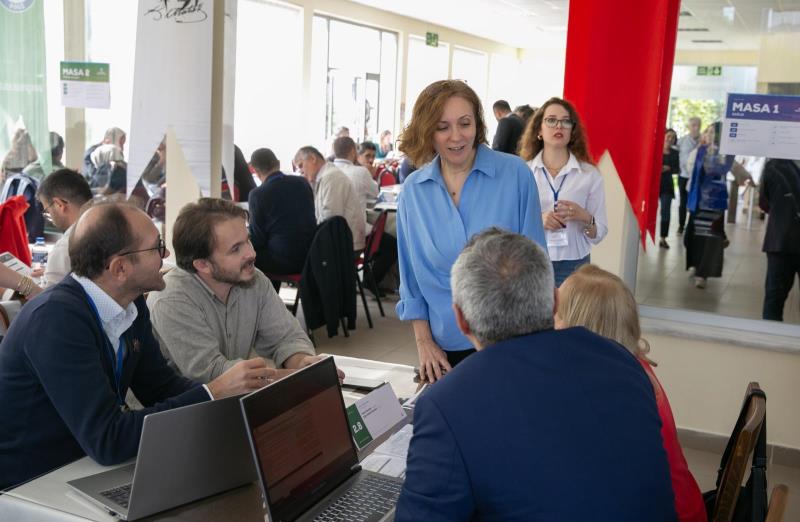
In the afternoon workshops, 72 associate degree programmes offered by the University’s 11 vocational schools came together across four thematic tables and 33 group tables. External stakeholder representatives also participated in sessions where programmes evaluated one another. Course plans, programme outcomes, workload calculations and assessment practices were compared, and areas for improvement were identified for each programme.
Participants expressed satisfaction with the workshop format, which enabled different programmes to meet at the same tables and share their experiences. They also highlighted the workshop’s contribution to coordination between units and the exchange of experience.
By linking the evaluations made during the workshop to programme-specific action plans, the University aims to harmonize course plans across its associate degree programmes, strengthen practices for measuring programme outcomes, and extend accreditation preparation activities to all programmes.